




.svg)
What Australian Businesses Should Know About Brand Identity
Brand identity is often reduced to a logo, colour palette and typography.
But a strong identity should do much more than make a business look good.
It should make your strategy visible. It should help people recognise you, understand what you stand for and distinguish you from competitors. And it should give your business a system that can work consistently across digital, marketing, sales and customer experience.
At TOAST, we believe identity should never begin with aesthetics.
It starts with the business, the strategy and the position you want to own.
Only then should you determine what that strategy needs to look, sound and feel like.
Here are eight elements we believe businesses should consider when developing or reviewing their brand identity.

What is brand identity?
Brand identity is the system a business uses to express who it is. It includes visual elements such as logo, typography, colour, imagery, graphic language and motion, alongside verbal elements such as messaging, tone of voice and language. Together, these create the signals people use to recognise and remember a brand.
But identity also has a practical job to do. It needs to work across websites, social content, campaigns, presentations, proposals, signage, environments and everyday customer interactions. The strongest identities create consistency without creating sameness. They provide enough structure to make the brand recognisable and enough flexibility to allow it to evolve.
Why does brand strategy come before brand identity?
Because design needs an idea to express. Before developing an identity, you should understand:
- Who are we trying to matter to?
- What do we want to be known for?
- What position can we credibly own?
- Why should customers choose us?
- Where is the business going?
- What does our brand need to become to help us get there?
These are strategic questions, not design questions. Without clear answers, identity development can quickly become subjective. Decisions get reduced to whether someone likes a colour, typeface or logo.
Strategy gives creative work a reason to exist. At TOAST, we see brand identity as the creative expression of a strategic position.
Strategy defines the idea. Identity makes it visible.
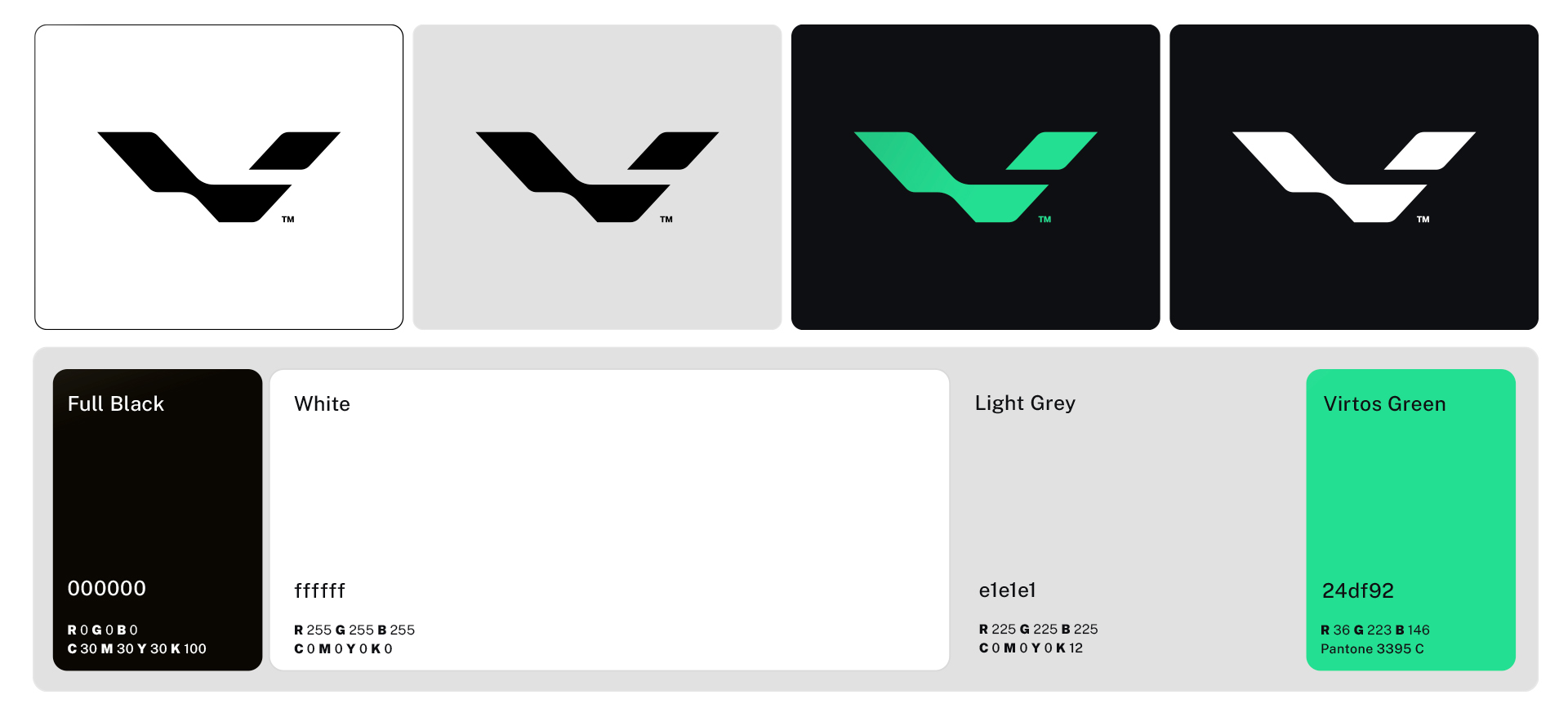
1. A distinctive and flexible logo system
A logo is an important brand asset, but it is only one part of the identity. Modern brands need flexible logo systems that can operate across websites, social profiles, apps, presentations, signage, video, merchandise and small digital environments. That might include primary and secondary configurations, brandmarks, simplified versions and responsive applications.
But flexibility should not come at the expense of distinctiveness. The objective is to create something recognisable and ownable within your market. A good question to ask is not simply: Do we like our logo?
Ask: Does it help us look and feel like the brand we are trying to become?
2. A purposeful colour system
Colour is one of the fastest ways people recognise a brand. A strong colour system should help create distinction while reinforcing the personality and positioning of the business. That means thinking beyond one primary brand colour. The broader system needs enough flexibility for digital interfaces, campaigns, presentations, data visualisation, reports and other communications. It also needs to perform.
Accessibility, contrast, legibility and consistency across digital and physical environments all matter. The goal is not simply to choose attractive colours. It is to create a colour system that becomes part of your brand's distinctive memory structure.
3. Typography with character and function
Typography can dramatically change how a brand feels before someone has even processed the words. It can communicate confidence, intelligence, precision, energy, warmth or authority.
But typography also has a job to do. A useful type system needs to perform across websites, mobile screens, presentations, reports, campaigns and everyday internal documents. It should establish clear hierarchy while remaining easy for teams to use.
Distinctiveness matters. So does practicality. The best typography systems achieve both.

4. A distinctive approach to imagery
Imagery shapes the world around your brand. Yet many businesses within the same category use almost identical photography and stock imagery. The result is visual sameness. A strong identity establishes a clear point of view around photography, illustration and image treatment. That might include subject matter, composition, lighting, cropping, colour treatment, art direction or the relationship between people, products, places and outcomes.
The objective is to develop an image world that feels recognisably yours. And importantly, it needs to be practical enough to produce and maintain over time.
5. Ownable brand assets
The strongest brands are rarely recognised by their logo alone.
They develop a broader collection of distinctive assets that work together to create recognition. These might include:
- Graphic devices.
- Shapes and patterns.
- Layout principles.
- Iconography.
- Illustration.
- Data visualisation.
- Image treatments.
- Motion behaviours.
- Sonic or interactive elements.
These assets create a visual language around the brand. At TOAST, we think about identity as a system rather than a collection of individual assets.
The test is whether someone could recognise your communications even when your logo isn't dominating the page.

6. A clear verbal identity
How a brand sounds is just as important as how it looks. Verbal identity defines the language the organisation uses to express its strategy and personality. It can include your core narrative, messaging hierarchy, value proposition, tone of voice, vocabulary, proof points, headlines and service messaging. For businesses selling complex products or expertise, verbal identity has an especially important role.
Make the complex clear.
Your customers should not need to understand your internal terminology to understand your value. A strong verbal identity gives your entire organisation a more consistent and distinctive way to communicate.
7. Digital-first application
Today, most people experience your brand through a screen before they experience it anywhere else. Identity therefore needs to be designed for digital environments from the beginning. That includes websites, social content, email, advertising, presentations, interfaces, video and motion. But being digital-first does not simply mean adapting a visual identity to a website.
Brand and user experience need to work together. Typography needs to support hierarchy. Colour needs to support accessibility. Motion needs to have purpose. Navigation needs to be intuitive. Content needs to be clear. Conversion needs to be considered. The result should be a digital experience that is recognisably yours while remaining fast, simple and useful.
8. A system people can actually use
A great identity loses value if nobody knows how to apply it. Implementation is therefore part of the design problem. Brand guidelines, templates, asset libraries, training and governance should give internal teams and external partners the tools to use the identity confidently.
The right level of governance depends on the organisation. A large business operating across multiple markets may require a detailed system of ownership and approvals. A smaller organisation may need something much lighter and more flexible. Either way, the objective is the same: Make doing the right thing with the brand easy.
How should you assess a new brand identity?
Creative work will always involve an element of judgement. But brand identity should not be assessed on personal taste alone. At TOAST, we believe the more useful questions are:
Strategic fit: Does it express the position we want to own?
Distinctiveness: Does it help us stand apart from competitors?
Relevance: Will it resonate with the audiences that matter?
Recognition: Does it contain distinctive assets people can remember?
Flexibility: Can it work across different channels, services and markets?
Digital performance: Does it work naturally across modern digital environments?
Usability: Can our people actually use it?
Longevity: Is it built around a strong idea rather than a short-term trend?
And perhaps most importantly: Does this identity help us become the business we're trying to become?
What should you ask a branding agency?
If you're selecting a branding partner, don't just ask to see their logo portfolio.
Ask about how they think. Useful questions include:
- How will you understand our business before starting creative work?
- How will research and strategy inform the identity?
- How will you identify opportunities for genuine differentiation?
- How do you test distinctiveness within our category?
- How will the identity work digitally?
- Which real-world applications will you prototype?
- How will you involve stakeholders in the process?
- What happens after the identity is approved?
- How will the system support where our business is going next?
The answers will tell you whether you're buying a new look or building a strategic brand system.
Frequently asked questions about brand identity
Is brand identity the same as branding?
No. Brand identity is the visual and verbal system used to express a brand. Branding is broader. It is the process of shaping how an organisation is understood and experienced through strategy, positioning, identity, messaging, digital experience, marketing, culture and customer interactions. Identity is an important part of branding, but it is not the whole brand.
Does a business need more than a logo?
Yes. A logo is one distinctive asset within a much larger system. Most established businesses need typography, colour, imagery, graphic language, messaging, digital applications, templates and guidelines to create a consistent and recognisable experience. The real value comes from how those elements work together.
When should a business update its brand identity?
A change may be required when:
- The business strategy has changed.
- The organisation has grown significantly.
- The existing identity no longer reflects the quality of the business.
- The brand has become inconsistent.
- Competitors are beginning to look similar.
- The identity doesn't perform well digitally.
- The business is entering a new market or category.
- The brand is holding back the next stage of growth.
Sometimes that requires a complete transformation. Sometimes it requires an evolution. The right answer starts with understanding the problem before determining the creative response.
How should brand identity success be measured?
Success should connect back to the original objectives of the project. Depending on the business, that might include brand recognition, message comprehension, digital engagement, qualified enquiries, conversion, sales performance, employee adoption and consistency across key touchpoints. Brand metrics are most useful when they are connected to broader commercial objectives rather than measured in isolation.
Your identity should make your strategy visible
A great brand identity isn't simply a collection of attractive assets. It is a distinctive, connected system that turns strategy into something people can see, hear, experience and remember. And it should be designed for more than the business you are today. It should help you become the business you want to be tomorrow.
At TOAST, we connect business strategy, brand and digital experience to create brands built for what comes next.
We make the brands that make the future. If your business has evolved but your identity hasn't evolved with it, it may be time to rethink what your brand needs to become.
Talk to TOAST about your next brand transformation.





.svg)