We would love to hear about your Project
Get In Touch
Follow Us





.svg)
Place & Property
|
February 18, 2026
|
5 MIN READ
Making Real Estate More Real: How to Humanise Your Property Brand
The property industry has a perception problem. Research from The Governance Institute of Australia and Roy Morgan’s Image of Professions survey shows that real estate ranks low on trust and honesty among the general public.
Of course, this perception doesn't reflect the reality of many people working in the property industry today, who stand by strong values and ethics in everything they do. Instead, it's based on long-standing (and harsh) stereotypes that have built up about the industry over many years.
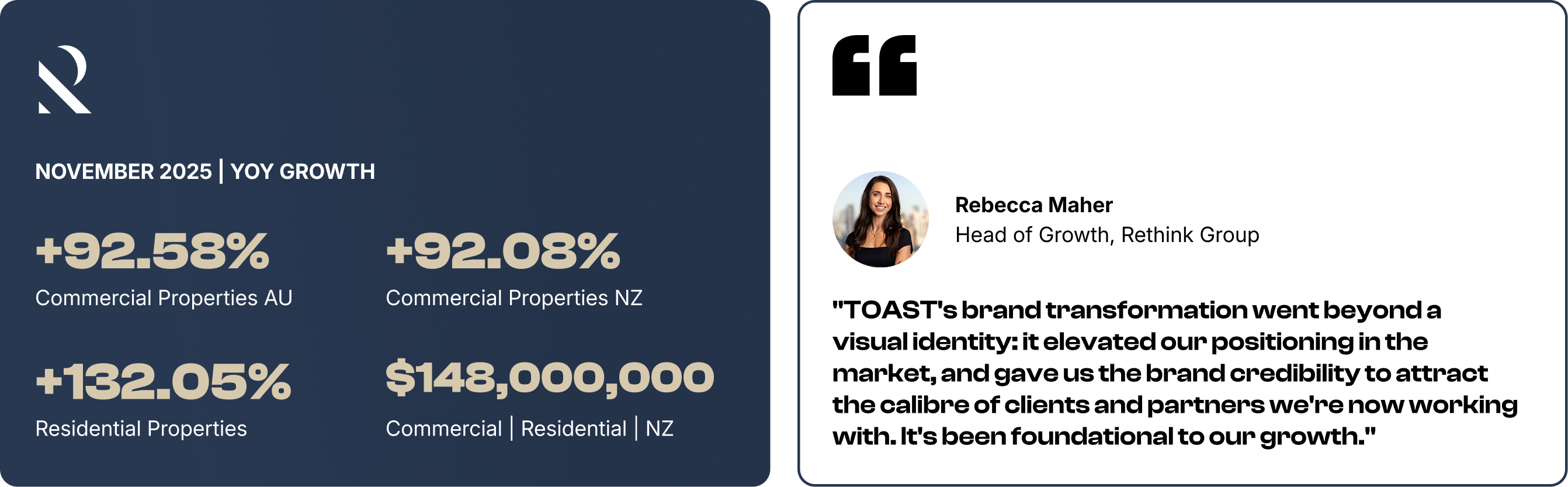
As unfair as these perceptions are, they need to be addressed if your property brand is to succeed in today's market. With the right brand strategy in place, property companies can communicate their values more clearly, present themselves in a human way and rebuild trust with the customers they want to reach. The brands that do so can reap enormous rewards, much like Rethink Group, who experienced 180% growth in residential settlements over two years.
Here's how to humanise your property brand in today's tough market.
1. Personality
Scroll through any real estate website and you’ll see stunning shots of properties, accompanied by impressive stats: price, weeks on market, square metres, distance from schools and shops, and lists of amenities. These numbers and features are essential, but without introducing customers to the people behind the transactions, your company can feel a little faceless.
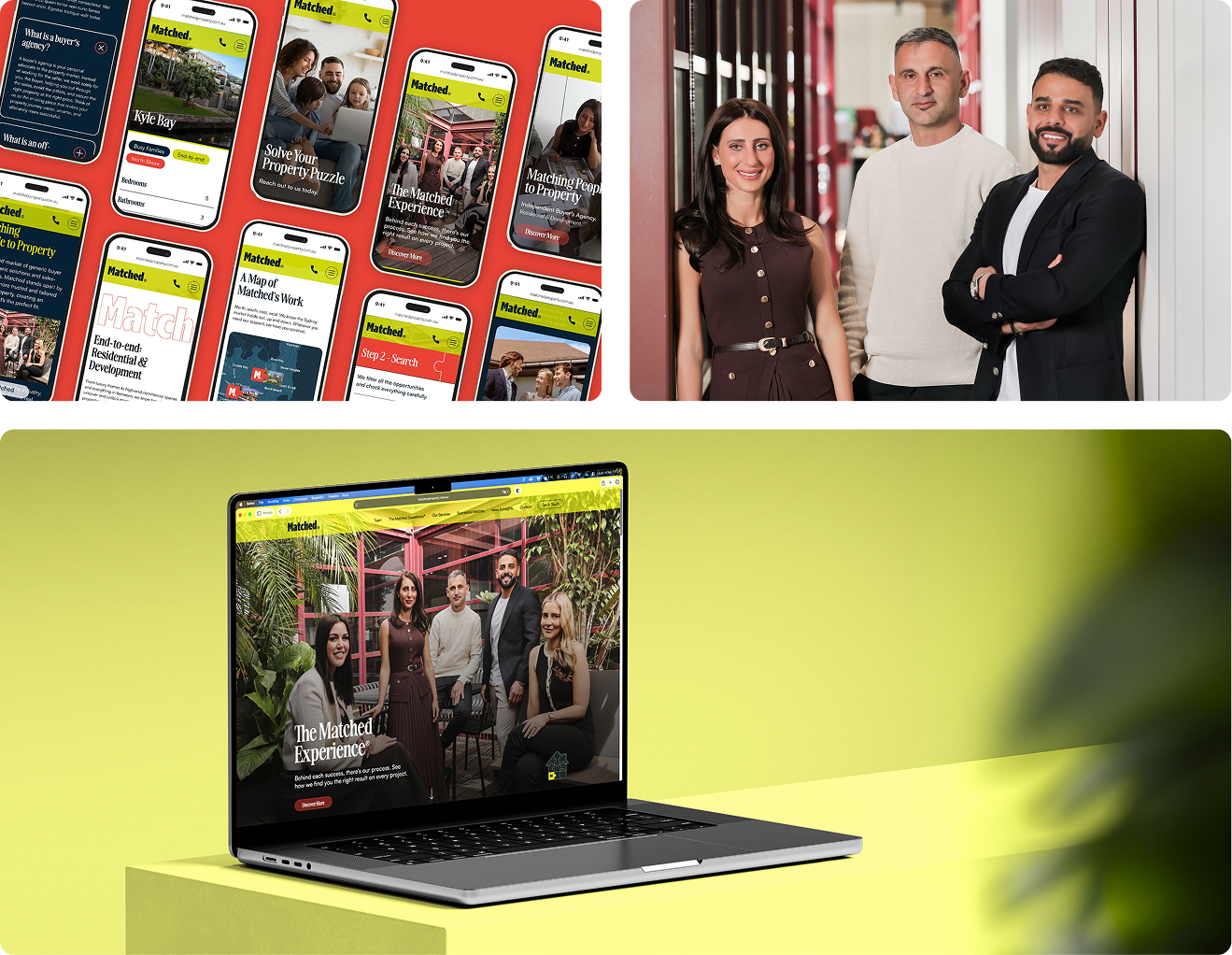
So put your team front and centre of your brand. Tell customers about their journey, their values, their approach, their experience and what they love about their job, then package it all up in an engaging set of bios and videos. (After all, these are the people buyers or sellers will be trusting with their money.) The more you do so, the more people will feel reassured that you’re a safe pair of hands – and can guide them safely and smoothly through the process.
2. Credibility
In the war for attention, some companies lean on attention-grabbing claims, offering amazing returns, exceptional client experiences and unmatched off-market discoveries. Often, these big claims aren’t backed up by tangible proof, which only adds to customers’ wariness of being misled.
A more credible approach is to stick to real case studies and real results, as real estate coach Adrian Bo recommends. That way, you can show people you know what you’re doing and have the solid track record to do it. Tell the full story of how you helped a client, starting with the problem they faced, the solution you delivered and the results it achieved, accompanied by authentic photos and genuine quotes. And do so in an understated way, offering a simple demonstration that you made someone's life easier.

3. Empathy
Property branding almost always starts with the properties, rarely the customers. Many brands sell their spaces with extraordinary care and detail, but don't often spend quite as much time tapping into the (often nervous) mindset of the buyer, renter or investor.
After all, securing a property can be an emotional rollercoaster: there’s plenty of choice, plenty of jargon and a scarcity of clear advice. Then there’s the high stakes nature of it all: where you choose to rent, buy or invest will ultimately influence your quality of life for months, years or even decades to come.
These big emotions aren’t to be ignored. If you can build a brand proposition that really speaks to these emotional needs (i.e. confusion, stress, anxiety) and offers a strong antidote (i.e. clarity, peace of mind, rigour), customers will feel much more confident about your service. In fact, behavioural science firm System1 has discovered that emotional ads can achieve up to 6x the brand uplift and 20% more recall than functional ads. Which just goes to show: empathy is a great strategy.

4. Transparency
Last but not least, be very transparent about what customers can expect when they work with you. Some companies are light on details when it comes to their process, pricing and services, preferring to keep their copy general and ambiguous. However, this ambiguity can make customers feel uneasy, as if you’ve got something to hide.
A simple way to address this is to create a methodology, which breaks down how you help clients stage by stage. At each step, clearly define what you’ll do (e.g. search for properties), and what outcomes you’ll provide (e.g. a property shortlist, conducting initial inspections, etc.). If you’re feeling particularly bold, attach clear costs to it all: how much do steps 1 and 2 cost, what about half the process, and what about the full journey? It may seem labour intensive, but it means that everyone is on the same page from day one.

Rethink Group: Growth through Strategic Partners
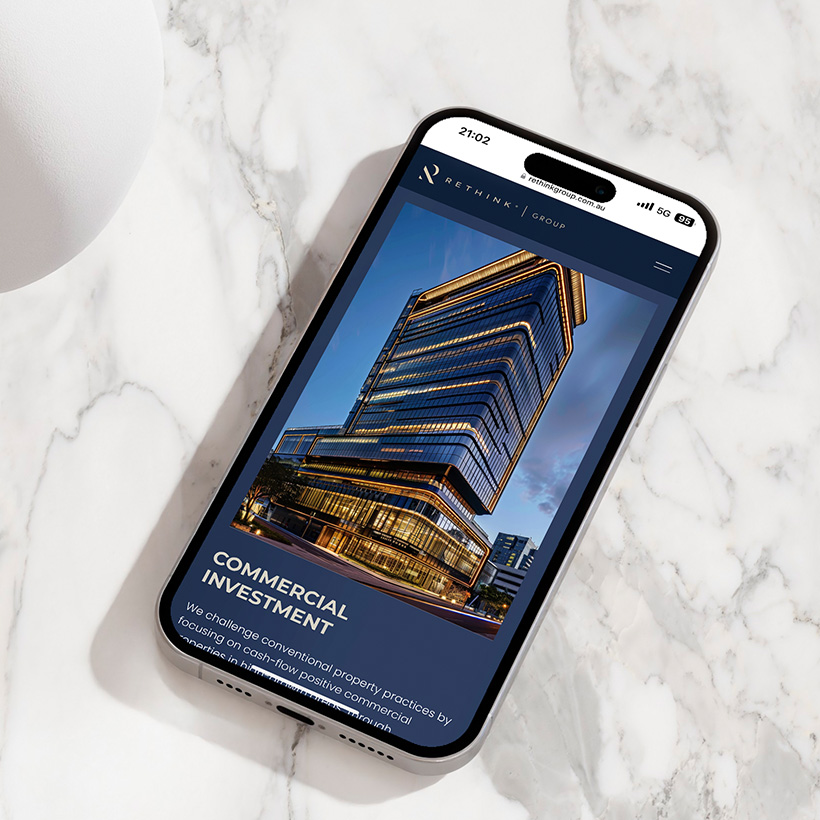
Premium property investment firm, Rethink Group, wanted to build a new brand that would resonate with their high-end clients. This was really all about trust: Rethink needed to convince this discerning audience that they were the most sophisticated partner to manage their property investments through.
To earn their confidence, we consolidated all their services into a series of sub-brands, ranging from Rethink Investing to Rethink Financing to Rethink Property Lawyers. We then highlighted the expertise and experience of each sub-brand's senior leadership team, along with the group founders, Scott and Mina O'Neill. By leaning into the strategic acumen and personality of each partner, we could speak to both the rational and emotional elements of our audience's decision-making, with some suitably impressive results to match.

Matched: Property That Puts People First
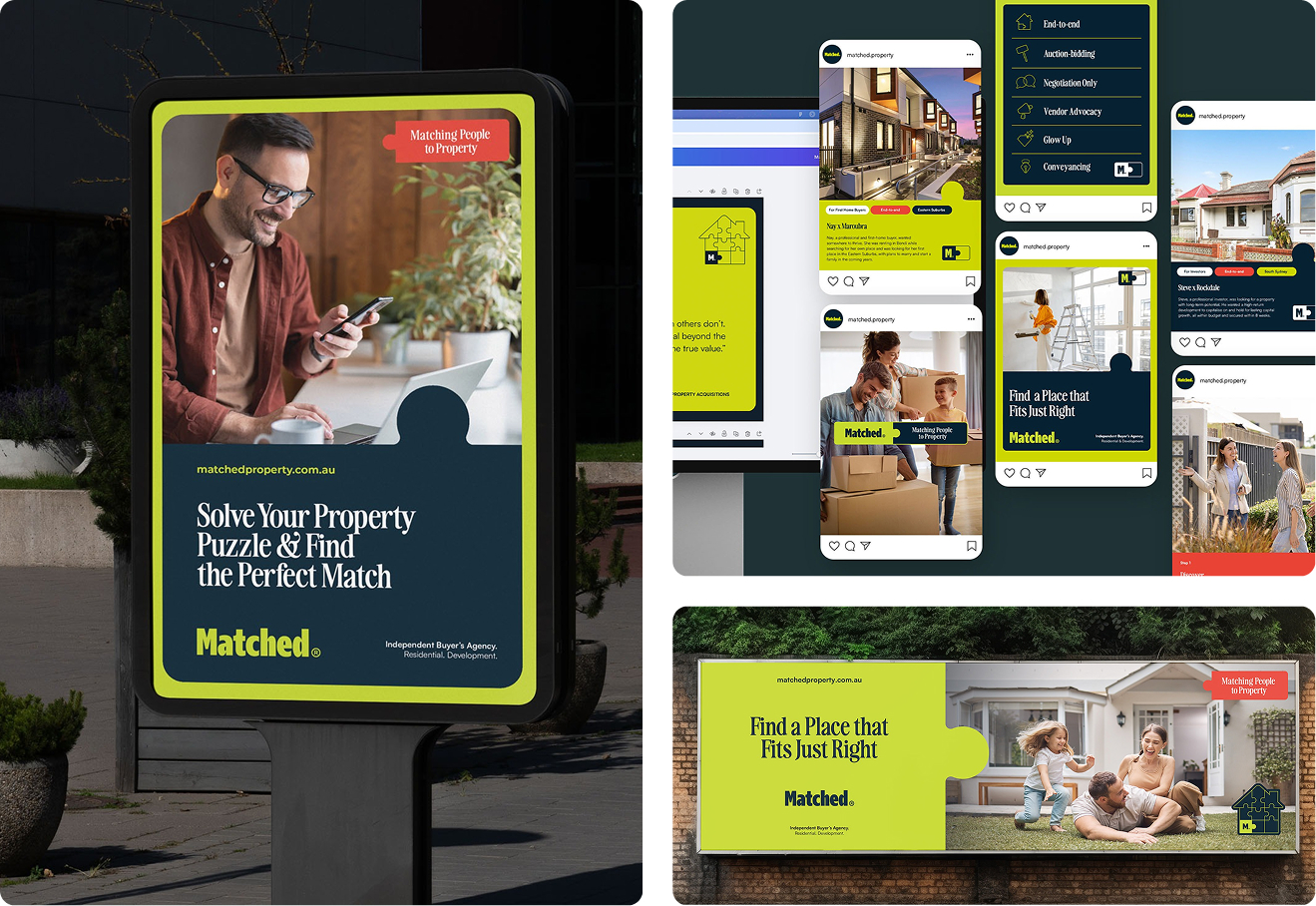
Matched are a buyer’s agency who do things differently, prioritising customers’ needs over the pursuit of profits. The problem was: trust in the category had been weakened by inexperienced competitors who sometimes don't quite live up to their claims.
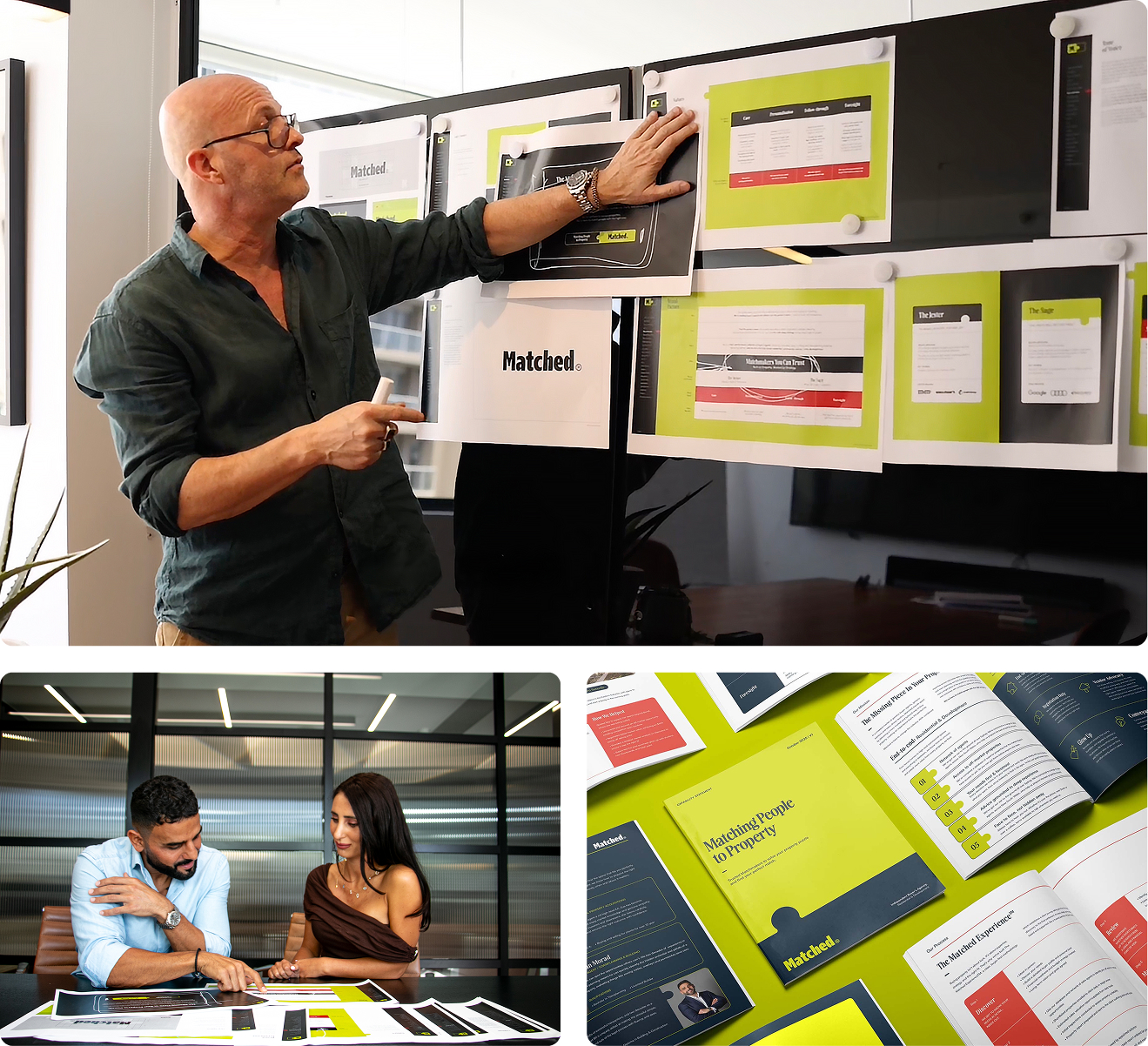
To win over skeptical buyers, we built a brand that was less transactional and more personal. We framed Matched as the agency that takes a tailored approach to property, matching people to the place that’s right for them (and only them). We gave them a transparent methodology, the Matched Experienced™, which highlighted the care and consideration they give clients throughout the buying process. And we put their three founders, Bill, Eva and Hassan, at the beating heart of the business, highlighting their skills, experience, values and (disarmingly charming) personalities. All of which gave them the human touch they needed to succeed.




TOAST acknowledges the Gadigal people of the Eora Nation, the traditional custodians of the land on which our agency stands. We celebrate the stories, culture and traditions of Aboriginal and Torres Strait Islander Elders of all communities who also work and live on this land.
.svg)