We would love to hear about your Project
Get In Touch
Follow Us





.svg)
Sustainability & ESG/CSR
|
November 26, 2025
|
0 MIN READ
Growing Green: When is a Sustainable Brand Good for Business?
There’s no question that sustainability is essential: the health of our whole planet depends on it. But what’s increasingly up for debate is the value of highlighting it in marketing and communications.
Businesses are wary of “greenwashing”, and leading advertising publications, from Campaign to Contagious, have talked down the effectiveness of purpose-led branding. They argue that more traditional benefits, like convenience, enjoyment or cost-efficiency, work better with customers, who have more immediate worries than the fate of the ice caps.
But as Marketing Professor Mark Ritson says, the truth is more complicated than the clickbait headlines suggest. Whether or not to build a sustainable brand hinges on who you are, what industry you’re in and who you’re going after. So, when does it actually come in handy? Here are three situations where sustainability sells.
#1: Your Clients have Strict ESG or CSR KPIs
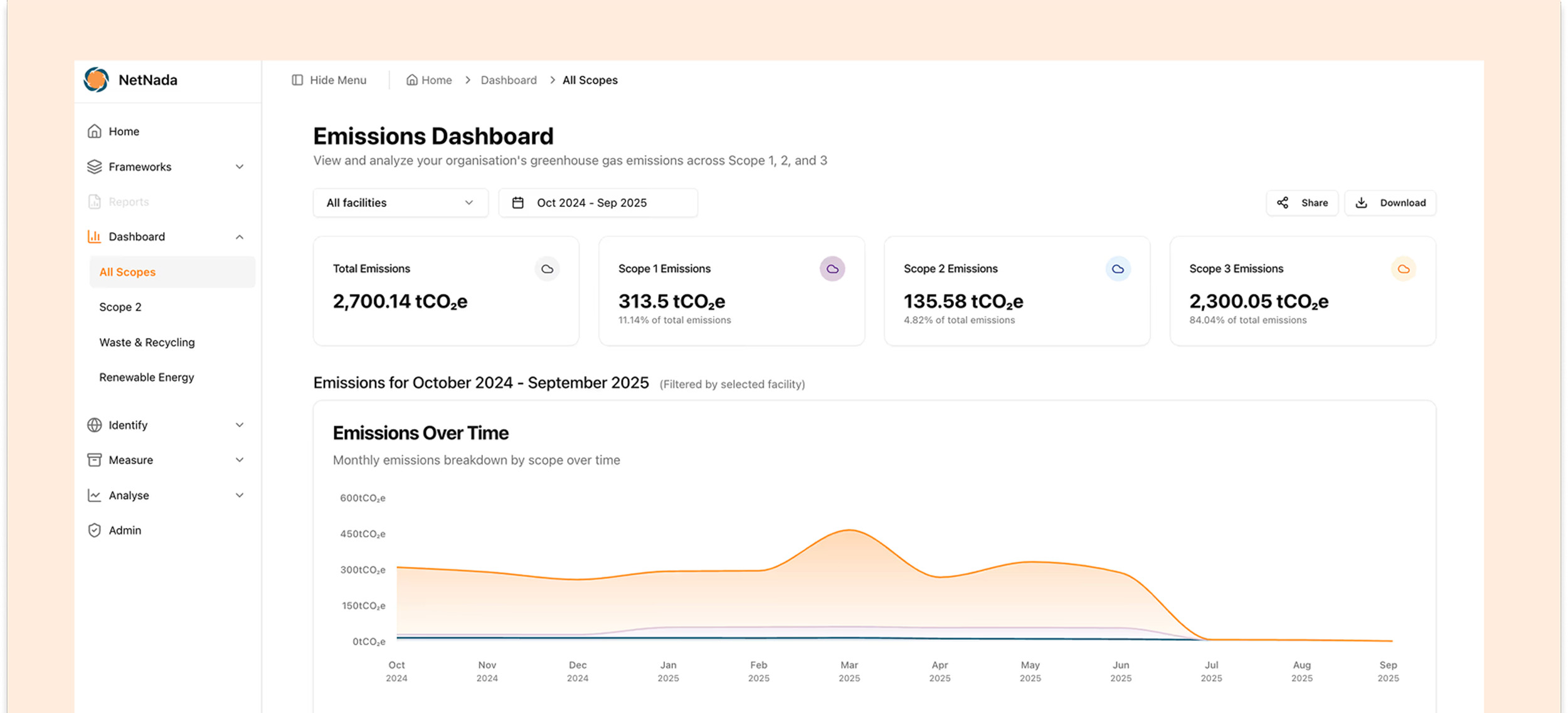
Many businesses have binding corporate responsibility targets, especially in industries like government, manufacturing and construction. Throughout their operations, they need to demonstrate measurable impact, from lowering greenhouse gas emissions (GHGs) to investing in local communities.
When they go to tender, they’ll be looking for suppliers who can match their green ambitions. If you can show you’ve got similar goals, similar values, similar targets and similar processes, you’ll be more likely to earn their confidence (and their business).
It’s ultimately a question of positioning yourself as a help, not a hindrance, in the sustainability journey. Will you back them in their efforts, or block them? Your brand can offer a simple answer to that question.
#2: You’re Speaking to a Younger (& More Anxious) Audience
Raised in an era where the latest ecological catastrophes can be streamed straight into the palm of their hands, Gen-Z and Millennial audiences tend to be more alarmed by climate change. And this fear shows up in where they spend money.
65-70% percent of consumers under 35 prefer brands based on ethical practices and transparency. And roughly 75% of Millennials are changing their buying habits with the environment in mind, compared with just 34% of Baby Boomers.
So if you’re selling a product or service aimed at young people, sustainability needs to be front of brand and front of mind. It may not fix reactionary politics or make wildfires go away overnight, but you can reassure people that they’re doing the right thing by choosing you.
But be careful not to greenwash here. Your claims need to be supported by green actions that run through the DNA of your business. If sustainability is only a small part of your business, or a smokescreen for more dubious business activities, this more sceptical generation will sniff it out straightaway.

#3: Your Product is in a “Gentle” Category
Sustainability can be a huge benefit if your product is in a category where gentle or nourishing qualities are valued. Think skincare, body lotion and baby shampoo.
Research from the London School of Economics shows that a green brand can actively improve perceptions of the product quality (rather than detract from it). The reasons for this aren’t fully understood yet. But our guess is that the gentle associations of the environmentalist movement, with its reputation for treading lightly on the planet, rub off positively on the product, reinforcing its image as being soothing.
Whatever the underlying cause, sustainability isn’t a liability here. It’s an active asset for your business.

NAV ECO: Sustainability, with A Veneer of Luxury
New Age Veneers (NAV) have always prioritised sustainability when sourcing and manufacturing their luxury surfaces, achieving certifications that meet the highest ethical standards around. The challenge was: this wasn’t being advertised to their business partners.
They partnered with TOAST to launch NAV ECO, a CSR program rooted in the UN’s Sustainable Development Goals. To make their goals easy to digest for partners, we created a three-tiered identity, with different colours, patterns and icons for Environmental, Social and Governance respectively. We then grouped different goals and KPIs under each tier, from Harmony and Innovation to Equity and Growth, so clients could easily see how NAV’s commitments aligned with theirs.
But we didn’t stop at the substance: we gave the brand plenty of style, too, imbuing it with the same sophistication as the wider brand. It reassured clients that they weren’t sacrificing quality by choosing NAV, and that the products were as beautiful as they were sustainable.

Making the UN Unmissable:
TOAST Brands their 80-Year Conference
TOAST recently created the identity for the UNAA NSW Division’s 80-year conference at the Sheraton Grand Hotel in Sydney. See how we rallied changemakers from walks of life to #UniteInAction, including our own Strategy Director, Emile, who delivered a powerful speech on the night itself.







TOAST acknowledges the Gadigal people of the Eora Nation, the traditional custodians of the land on which our agency stands. We celebrate the stories, culture and traditions of Aboriginal and Torres Strait Islander Elders of all communities who also work and live on this land.
.svg)